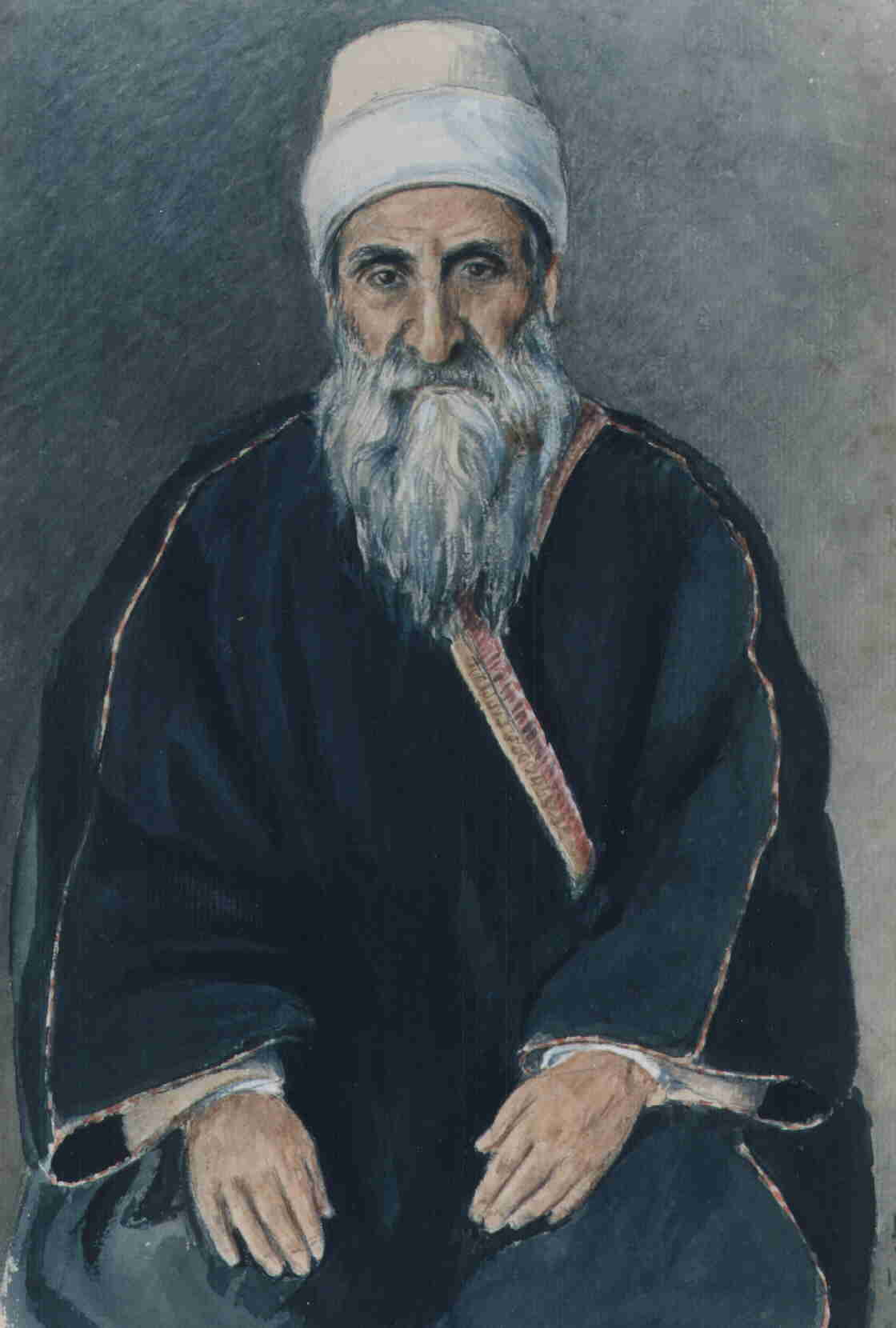
- n.d.. Tablet on Interpretation of Sacred Scripture (Lawh-i-Ta'wíl). Bahá'u'lláh, Juan Cole, trans. . Tablet on "the legitimacy of figurative scripture interpretation." Translations.
- 2025-11. Exploring the Kitáb-i-Aqdas: The Laws and Teachings of the Bahá'í Faith, by Omid Ghaemmaghami and Shahin Vafai: Review. Christopher Buck. Reviews.
- 2025-07. Bahá'í Sacred Writings. Bahá'u'lláh, Abdu'l-Bahá, Bahá'í World Centre, comp. . A comprehensive collection of selections from the Writings of Bahá’u’lláh and the Writings and utterances of ‘Abdu’l-Bahá, representing the range of the Bahá’í teachings. Writings.
- 2024-12. Logos and Civilization: Spirit, History, and Order in the Writings of Bahá'u'lláh, by Nader Saiedi: Review. Christopher Buck. Review of Nader Saiedi's book that focuses on the Writings of Bahá'u'lláh. Review title: Nader Saiedi’s Logos and Civilization Revisited. Reviews.
- 2022. Réflexions intimes sur le Kitáb-i-Aqdas. Pierre Daoust. Un petit recueil de réflexions; une sorte de voyage dans un domaine aux multiples paysages, qui donnera l'envie à d'autres de lire le Kitáb-i-Aqdas et d'être eux aussi touchés par sa profondeur, sa sagesse, et sa beauté. Books.
- 2022. Kitáb-i-Aqdas: le plus saint livre. Bahá'u'lláh, Pierre Daoust, trans. . Révision de la traduction française du Kitáb-i-Aqdas (ed. MEB, 2014); voir Avant-propos. Books.
- 2021-11-02. Bahá'í Law. Roshan Danesh. Bahá'í law in its historical, cultural, social, religious, political, and legal contexts, within processes and discourses of social change and legal revitalization within Islamic societies; responses to modernity, colonization, and justice movements. Video.
- 2021-11. Inheritance Laws of Bahá'í Community: A Gendered Analysis of Inheritance Under the Kitab-i-Aqdas and the Indian Succession Act. Ishita Kohli. Bahá'í laws create a symmetrical equality between sexes, via the principle of mutatis mutandis; the concept of private property and its effect on testamentary succession seen through a progressive and gender-neutral lens. Articles.
- 2021. Legacy of Verse 42 of the Kitáb-i-Aqdas, The. Gerald C. Keil. Explores the circumstances under which a reading of Verse 42 which indicates that the line of Aghsan might end prior to the establishment of the Universal House of Justice came to predominate. Includes a memorandum from the Research Department. Articles-unpublished.
- 2021. Inheritance Laws of the Baha'i Community and Gender Equality. Sarthak Sharma. Examination of whether the Bahá'í Faith's teachings on gender-justice and equality are reflected in its inheritance laws and the Kitab-i-Aqdas; scholarly articles on this subject; comparison with Islamic provisions and law. Articles.
- 2020-2026. Online Course on the Bahá'í Faith. John S. Hatcher. Links to 117 Youtube videos on Bahá'í history and teachings. Video.
- 2020-07. Discovering a Sacred Numerical Pattern from Baha'i Scriptures. Romuald Boubou Moyo. Brief analysis of the inheritance shares outlined in the Kitab-i-Aqdas and how the abjad system of numerology might shed light on hidden patterns. Resources.
- 2020. گام به گام با اُم الکتاب دور بهائی کتاب اقدس (Step by Step through the Mother Book of the Bahá'í Faith, The Kitáb-i-Aqdas). Iman Motlagh Arani. A topical overview of central laws and ethical teachings, arranged for accessibility and reference. Books.
- 2019. Two Episodes from the Life of Bahá'u'lláh in Iran. Moojan Momen. Regarding the conference of Badasht and Baha'u'lláh's arrival at the shrine of Shaykh Tabarsi, and on His experience in the Siyah Chal, close attention to the text of two Tablets leads to conclusions that differ from current Bahá'í history books. Articles.
- 2019. Ashgabat Collection. Olga Mehti. On the life and works of Alexander Tumansky and his involvement with Bahá'í history. Articles-unpublished.
- 2018/2025. Additional Tablets, Extracts and Talks. Abdu'l-Bahá, Bahá'í World Centre, trans. . 216 selections, last updated 2025. Writings.
- 2018/2024. Additional Tablets and Extracts from Tablets Revealed by Bahá'u'lláh. Bahá'u'lláh, Bahá'í World Centre, trans. . 85 selections, last updated August 2024. Writings.
- 2018/2020. Laws Abrogated by Bahá'u'lláh. Anonymous, comp. Laws abolished from previous religions and from the Bayán. Compilations-personal.
- 2018. List of Bahá'í Studies and Translations. Stephen Lambden, A. Bolhuis, comp. . A list of content available at Lambden's personal website, Hurqalya Publications, with select links to manuscripts, texts, introductions. Includes Shaykhi and Bábí studies, bibliographies, genealogies, provisional translations. Resources.
- 2018. Kitáb-i-Aqdas Research Tools. Various. Links to six sites providing research materials for the Aqdas: translations, audio recitation, cross-references, and study guides. Resources.
- 2018. Le Style du Kitáb-i-Aqdas - Aspects du Sublime, livre du Professeur Suheil Bushrui. Suheil Badi Bushrui, (published as Suheil Bushrui). Pierre Daoust, trans. . Une analyse du Kitab-i-Aqdas, un ouvrage rédigé en prose rimée typique des écrits arabes les plus exaltants. Books.
- 2018. La poésie du Kitáb-i-Aqdas: Aspects de l'esthétique. Pierre Daoust. Les concepts philosophiques qui éclairent sur le sens de la vie et la nature spirituelle de l'être humain, révélés sous forme de prose rimée caractéristique de la poésie arabe. Le Kitáb-i-Aqdas touche à l'esthétique et au bonheur. Books.
- 2017. "Some Answered Questions" and Its Compiler. Baharieh Rouhani Ma'ani. Overview of the life of Laura Clifford Barney and her role in assembling and publishing the book Some Answered Questions, and a comparison with the appendix to the Kitab-i-Aqdas called Questions & Answers. Articles.
- 2017. Authority of the Institutions According to the Will and Testament of Abdu'l-Bahá, The: A Text Analysis. Gerald C. Keil. Abdu'l-Bahá's Will and Testament is the indispensable starting point for understanding the Bahá'í Administrative Order, and the competencies and areas ofresponsibility of the various institutions. The text must be examined as a cohesive whole. Articles-unpublished.
- 2017. Themes in the Study of Bahá'u'lláh's Kitáb-i-Aqdas: Emerging Approaches to Scholarship on Bahá'í Law. Roshan Danesh. Review of what emergent scholarship has thus far accomplished relating to the study of the Kitáb-i-Aqdas and Bahá'í law; suggested core themes and approaches; directions which future study of this topic might encompass. Articles.
- 2015. Reflections on the Structure of the Kitáb-i-Aqdas, Some. Roshan Danesh. While the Kitab-i-Aqdas might seem unstructured, lacking apparent logical or discernible order, there is meaning to be found in its organization — particularly the first 19 paragraphs: the pivotal constructs of Bahá’í spiritual and social teachings. Articles.
- 2014. Reflections on the Concept of Law in the Bahá'í Faith, Some. Roshan Danesh. The concept of law in the Bahá’í Faith; its early Islamic context; the nature of legal language and discourse in Bahá’u’lláh’s writings. Religious law, rooted in conscious knowledge and the dynamics of love, rejects rigid and legalistic rules. Articles.
- 2014. Text and Context in the Bahá'í Heroic Age. Nader Saiedi. A series of 12 talks by Nader Saiedi exploring Bahá'í history, key writings, and the need for scholarly study, translation, and contextual analysis of Bahá'í texts. Audio.
- 2011-04. Forces of Our Time: Lecture Series. Hooper Dunbar. Six lectures series at Bosch Bahá'í School, April 15-17 2011. Audio.
- 2010. Textual Context and Literary Criticism: A Case Study based on a Letter from Shoghi Effendi. Gerald C. Keil. The importance of systematic analysis of the written word prior to the process of exegesis to achieve clarity from the very start; textual questions; a specific example. Articles.
- 2010. Historical Consciousness and the Divine Plan. Douglas Martin. A series of eight short talks (total around two hours), in both audio and video formats, on the evolution of religion and humanity. Includes compilation materials for further study. Audio.
- 2009-2025. Translation List: Provisional Translations of Baháʼí Texts. Adib Masumian, trans. Index to talks, letters, and other items translated from Persian and Arabic to English by Adib Masumian; listed here for the sake of search engines and tagging. Bibliographies.
- 2008. Causality Principle in the World of Being, The. William S. Hatcher. Audio.
- 2008. Kitáb-i-Aqdas (Most Holy Book): Correlation of passages from the Synopsis and Codification of the Aqdas to the textual passages of the Kitáb-i-Aqdas. Borna Safai, comp. An unofficial correlation of the passages from the Synopsis and Codification of the Kitáb-i-Aqdas to the book's textual passages. Study.
- 2008. Laws of the Bayán reflected in The Kitáb-i-Aqdas. Ahang Rabbani, comp. List of 32 laws from the Báb's Persian Bayán or the Arabic Bayán which also appear in Bahá'u'lláh's book of laws. Resources.
- 2007. All Abide by His Bidding: The Universal Law of God. Peter Terry. On the liberty of the individual vis-à-vis the laws of God guiding people to making the "right" choices. Essays.
- 2004/2007. Towards World Order. Alí Nakhjavání. Transcripts of six talks given at a week-long course on the World Order of Bahá'u'lláh, sponsored by the NSA of Italy. Document includes compilation and outline. Study.
- 2004-09-19. "Share your time with God". Universal House of Justice. Source of the quotation "Share your time with God. Spend half of the day in search of livelihood," from a pilgrim's note. UHJ-letters.
- 2004. Internationalism and Divine Law: A Baha'i Perspective. Roshan Danesh. On the internationalism motif in Bahá'í political and legal thought; the place of divine legal claims in contemporary debates about models of world order; religion as a unifying force; concept of divine law in both Persian and Islamic history. Articles.
- 2003. Perspectives on the Inseparable Twin Duties Prescribed in the Kitáb-i-Aqdas. Eamonn Moane. Religions differ in the balance of faith versus good works, the grace of God versus human strivings, and the scheme of salvation. To Bahá'ís, recognizing the Prophet and obedience to his laws are equal duties. For salvation, faith surpasses deeds. Articles.
- 2003. Introduction to Bahá'í Law, An: Doctrinal Foundations, Principles and Structures. Udo Schaefer. A pioneering look at Bahá'í law both in general and in detail, the foundations and principles of which can only be understood within their theological context. Articles.
- 2002. Kitáb-i-Aqdas as a Lens with which to Examine some of the Dilemmas of Modernity, The. Betsy Omidvaran. Contrast between the Aqdas - the source of laws of future society - and issues of the modern world as it had evolved up to the 19th century. Discussion of Houses of Worship, universal language, financial principles, justice, the Covenant, and unity. Articles.
- 2002. Kitab-i-Aqdas Questions and Concordances. Habib Riazati. The Tablets of Bahá'u'lláh and their relationship to selected passages in The Aqdas; New Laws That Abrogate the Laws of Former Dispensations; Correlation of Paragraphs, Notes, and Questions and Answers of the Aqdas; sample questions. Study.
- 2001-04. Universal House of Justice and the Principles of Jurisprudence. Abdu'l-Bahá, Universal House of Justice, trans. . Authorized translation of an excerpt of a tablet on "the wisdom of referring certain important laws to the House of Justice." Translations.
- 2001-03-16. Китаб-и-Агдас: Наисвятая Книга (Kitáb-i-Aqdas: The Most Holy Book). Bahá'u'lláh, Elena Naylor, trans, Vadim Nomokonov, trans. . Основополагающий сборник законов Миропорядка Бахауллы с комментариями. Writings.
- 2001-02-08. Applicability of the Laws and Ordinances of the Kitáb-i-Aqdas. Universal House of Justice. List of laws and ordinances of the Aqdas not yet universally applied (as of 2001). UHJ-letters.
- 2001. Tablet on Interpretation of Sacred Scripture (Lawh-i-Ta'wíl). Bahá'u'lláh, Mehran Ghasempour, trans. . An undated tablet from the Akka period on the interpretation of sacred scripture, with references to previous Tablets revealed after the Kitáb-i-Aqdas, Asl-i-Kullu’l-Khayr (Words of Wisdom) and Lawh-i-Maqsúd (Tablet of Maqsúd). Translations.
- 2001. Unofficial Bahá'í Lore, by David Piff: Review. Iarfhlaith Watson. Reviews.
- 2000-2024. Covenant Library Unified Index and Glossary. Covenant Library, comp. A comprehensive glossary and reference index of Bahá'í sacred texts and literature, organized in two parts: Bahá'u'lláh's Writings and general entries. (Off-site) Glossaries.
- 2000-11-28. Kitáb-i-Aqdas (Most Holy Book): The Obligatory Prayers. Universal House of Justice, Ismael Velasco, Peter Terry, Michael W. Sours. Study.
- 2000-02-23. Application of Bahá'í Laws. Universal House of Justice. On the application of Bahá’í law and how its procedures differ from civil law, with discussion of the examples of Huququ'llah, obligatory prayer, and fasting. UHJ-letters.
- 2000. Kitáb-i-Aqdas (Most Holy Book): Questions and Concordances. Habib Riazati. Study questions, categorized cross-references to the Aqdas and its notes and "Questions and Answers," topical concordances, and other research materials. Study.
- 2000. Kitáb-i-Aqdas (Most Holy Book): Notes on the "choice wine". Abdu'l-Bahá, Brent Poirier, Iraj Ayman, Frank Lewis. Explores Bahá’í, Biblical, and Qur’ánic symbolism of bread, wine, and camphor as metaphors for divine revelation, spiritual bounty, purity, and the unveiling of hidden truths. Study.
- 2000. Kitáb-i-Aqdas as Described and Glorified by Shoghi Effendi. Cyrus Alá'í. Basic facts about the Kitáb-i-Aqdas. Shoghi Effendi's analysis of the book in his God Passes By. Articles.
- 2000. Making the Crooked Straight: A Contribution to Baha'i Apologetics [excerpt]. Udo Schaefer, Nicola Towfigh, Ulrich Gollmer, Geraldine Schuckelt, trans. . Front- and back-matter of the book only: Contents, Preface, Introduction, Conclusion, Bibliography, Index. Books.
- 2000. Law; Liberty; Kitáb-i-Aqdas. Peter Smith. Three extracts. Essays.
- 1999-2007. Association for Bahá'í Studies in Southern Africa: Website archive. Association for Bahá'í Studies in Southern Africa. Backup of the homepage of ABS-SA, with local links to any material imported into BLO. — in process Link.
- 1999-12-28. Laws of the Kitab-i-Aqdas, Further Application of. Universal House of Justice. Announcement to the Bahá'í world that all elements of the laws dealing with obligatory prayer and fasting are now applicable. UHJ-letters.
- 1999. Kitab-i Aqdas, the Most Holy Book. John Walbridge. Encyclopedia.
- 1999. Kitáb-i-Aqdas (Most Holy Book): "Multilinear" Translation project and Glossary. Bahá'u'lláh, Jonah Winters, comp, Various, trans. . Side-by-side comparisons of the authorized translation with earlier translations of Anton Haddad and Earl Elder. Includes short glossary to the Aqdas. Translations.
- 1999. Principle of Succession in the Kitáb-i-Aqdas, The: Wilmette Institute faculty notes. Brent Poirier. Study.
- 1999. Kitab-i-Aqdas Windows Help File software. Peyman Talaei. A hyperlinked version of the Aqdas in the Windows Help File format (for Windows 3) which can be used for easy study and reading. Software.
- 1999. Irish Bahá'í Summer School. Adib Taherzadeh. A wide-ranging talk on the administrative order, anecdotes about George Townshend, and time spent in Ireland. Audio.
- 1999. Kitáb-i Aqdas of Mírzá Husain `Alí Núrí, Bahá'u'lláh, The: Redating its Beginnings. Kamran Ekbal. The exact date when the Aqdas was written is unclear. It may have been composed over a period of about five years and in different locations. Articles.
- 1998. Biographies of Jamal-i-Burujirdi. Adib Taherzadeh, Dariush Lamie, Juan Cole. Three short biographies of about the man who asked to be exempt from the laws of the Aqdas. Biographies.
- 1998. Kitáb-i-Aqdas (Most Holy Book): Wilmette Institute faculty notes. Brent Poirier. Study.
- 1998. Kitáb-i-Aqdas (Most Holy Book): Tablet study outline. Jonah Winters. Study.
- 1998. Style of the Kitab-i-Aqdas, The: Aspects of the Sublime, by Suheil Bushrui: Review. Miles L. Bradbury. Reviews.
- 1998. Parallels Between Islamic and Baha'i laws and Constitutional Principles. Afshin A. Khavari. The roles of Sunnah, Hadith, and Ijtihad in Islamic constitutional law, and the development of the Bahá'í legal order and its unique approach to law-making. Articles-unpublished.
- 1998. Kitáb-i-Aqdas: Bibliography. Sen McGlinn, comp. Study.
- 1998. Islamische Grundlagen des Kitáb-i Aqdas: Mit neuen Erkenntnissen zu seiner Datierung. Kamran Ekbal. Articles.
- 1998. Bahá'í Village Granary, The: Spiritual Underpinnings and Applications to North America. Peter Calkins, Benoit Girard. A village granary helps lay the systemic foundations of Bahá’u’lláh’s spiritualized new world economic order for both rural and urban society, the capstone of God’s progressive revelation of rural institutions for the sustainable use of natural resources. Articles.
- 1998. Bahá'í Fundamentals for Bioethics. Leila Rassekh Milani, Kavian Sadeghzade Milani. The science of the soul; Bahá’í scriptural understanding of suffering, theodicy, and the purpose of creation; definitions of life and death, as well as the purpose of human life; formulating a Bahá’í approach to bioethical dilemmas. Articles.
- 1997-98 Winter. Story of Joseph in the Babi and Baha'i Faiths, The. Jim Stokes. The story of Joseph describes the eternal process by which the most profound kind of new knowledge comes into the world, simultaneously describing, in story form, its interrelated human, physical, and metaphysical dimensions. Articles.
- 1997-06-04. Kitab-i-Aqdas and the Expulsion of Covenant Breakers. Universal House of Justice. Discussion of a reference in the Kitab-i-Aqdas to the possible end of the Guardianship, and the authority of the Hands of the Cause to expel Covenant-breakers. UHJ-letters.
- 1997-05. Letter to Jináb-i-Áqá Mírzá Bádí'u'lláh Khán of Abadih. Shoghi Effendi, Juan Cole, trans. . Answers four questions: (1) re "Crimson Scroll"; (2) re the "Sacred Night"; (3) re the "Tablet of the Bell"; and (4) using the Kitab-i-Aqdas for bibliomancy. Guardian.
- 1997. Revelation, Interpretation, and Elucidation in the Baha'i Writings. Robert Stockman. The complexities of the Bahá'í concepts of revelation, interpretation, infallibility, and elucidation Articles.
- 1997. In A Blue Haze: Smoking and Baha'i Ethics. Udo Schaefer. Smoking as a focus of this first attempt to define certain aspects of Bahá'í ethics. Books.
- 1997. Commentary on the Kitab-i Aqdas, verse one. Sen McGlinn. Meanings why recognition of God and his Manifestations are the first two laws of the Aqdas. Essays.
- 1997. Deconstructing and Reconstructing the Shari'a: Babi and Baha'i Solutions to the Problem of Immutability. Denis MacEoin. Ways in which the Bab and Bahá'u'lláh adopted and changed the Islamic shari`a in their own, new codes of law. Articles-unpublished.
- 1996-11. Provisions for Sexuality in the Kitáb-i-Aqdas in the Context of Late Nineteenth Century Sexual Ideologies. R. Jackson Armstrong-Ingram. On three aspects of sexuality addressed in the Aqdas (and its supplementary Questions and Answers): the abolition of the concept of ritual pollution caused by sexual fluids (semen, menstrual blood); illicit sexual conduct (zina and liwat); and marriage. Articles-unpublished.
- 1996-09. Theological Ethics in a Bahá'í Perspective. Jack McLean. The Bahá'í writings are a rich source of moral precepts, with a large corpus of ethical statements in the form of laws, directives, exhortations, injunctions, and axioms of moral theology. What would Bahá'í divine ethics look like? Articles-unpublished.
- 1996-06-27. Monogamy, Sexual Equality, Marital Equality, and the Supreme Tribunal. Universal House of Justice. Questions about monogamy, the Supreme Tribunal, and the Bahá'í concept of equality of the sexes in light of some Bahá'í laws and history which appear to undermine it UHJ-letters.
- 1996. State and Society: Implications of the Most Holy Book. Graham Hassall. The purpose of law is for the order of the world and the security of people; the Kitáb-i-Aqdas reinstates authority and renews the linkages between society, law, virtue, and spirituality; the situation in future Bahá'í states. Articles.
- 1996. Messages from the Universal House of Justice 1963-1986: Third Epoch of the Formative Age. Universal House of Justice, Geoffrey W. Marks, comp. . Books.
- 1996. Style of the Kitab-i-Aqdas, The: Aspects of the Sublime, by Suheil Bushrui: Review. Sen McGlinn. Reviews.
- 1996. Kitáb-i-Aqdas, The: Studies from the First National Conference on the Holy Book Volume 1. Various. Five papers, proceedings from a Bahá'í Studies Conference in Sydney, 1993. Books.
- 1996. Kitáb-i-Aqdas and the Process of Transformation, The. John A. Davidson. The Kitáb-i-Aqdas is the source and inspiration for the process of transformation initiated by the Revelation of Bahá'u'lláh. It defines the goals and provides the means. Its various dimensions (social, mystical, ethical, cultural). Articles.
- 1996. Concept of Divine Law, The. Mehrdad K. Meshgin. The changing impact of divine law on society; legal principles current in Europe are derived largely from the works on jurisprudence and the legal decision of Muslim theologians; Bahá'u'lláh's social teachings offer flexibility to address new concerns. Articles.
- 1996. Universality of the Laws of the Kitáb-i-Aqdas, The. Bijan Samali. The laws of the Aqdas focus on the individual; are applicable to everyone; facilitate the realisation of the oneness of human race; ensure the equality of the sexes; are adaptable to cultural diversities; and call for the elimination of all prejudices. Articles.
- 1996. Future of Mankind and the Most Holy Book, The. Fazel Naghdy. At present the world models depicted by the past religions and leaders of the materialistic ideologies have failed to solve the contemporary problems facing humanity. Bahá'u'lláh has revealed a new world model and provided the means of achieving it. Articles.
- 1996. Homosexuality in the Kitab-i-Aqdas. Kamran Hakim. Informal notes on the treatment of homosexuality in the Kitab-i Aqdas, and its background. Essays.
- 1996. Mission of the Báb, The: Retrospective 1844-1994. Douglas Martin. The revelation of the Báb in the context of its impact on the Western writers of the period and its subsequent influence. Articles.
- 1995-06-25. Legislative Responsibilities of the Universal House of Justice Regarding Obligatory Prayers, Guardian's Statement on. Universal House of Justice. Brief note about which aspects of obligatory prayer the House may one day legislate on. UHJ-letters.
- 1995-04. Inheritance Laws of the Kitab-i-Aqdas. Sen McGlinn. Conceptualizing the Kitab-i Aqdas as establishing a fixed and elaborate set of laws and requirements is misplaced; even in the most central issues there has been a radical development in Bahá'í law. Articles-unpublished.
- 1995-04. Choice Wine: The Kitab-i Aqdas and the Development of Bahá'í Law. Anthony Lee. The Kitab-i Aqdas was not intended to establish a new law code (shari'a) similar to the one known to 19th century Muslim jurisprudence, but rather to discard that approach to law in favor of a more organic promulgation of ethical principles. Articles-unpublished.
- 1995. Considerations Relating to the Inheritance Laws of the Kitab-i-Aqdas, Some. Sen McGlinn. Gender distinctions in the Bahá'í inheritance laws might at first glance seem to favor male heirs, but the laws actually create a symmetrical equality. Articles.
- 1995. Kitáb-i-Aqdas (Most Holy Book): Notes on the Style of the Kitáb-i-Aqdas. Suheil Badi Bushrui. The near-similarity between the style of the Qur'an and that of the Aqdas. Study.
- 1995. Tablet to Mirza Abu'l-Fadl Concerning the Questions of Manakji Limji Hataria: Baha'u'llah on Hinduism and Zoroastrianism. Bahá'u'lláh, Juan Cole, trans. . Introduction to, article about, and translation of the Tablet to Maneckji. Translations.
- 1995. Quranic Roots of Some Legal and Theological Terms of the Kitáb-i Aqdas Regarding Women and Homosexual Relations, The. Kamran Ekbal. Interpretations and etymologies of Arabic terms for prostitution, virginity, dowry, menstruation, sodomy, pederasty, uncleanliness, and adultery. Articles-unpublished.
- 1995. Style of the Kitáb-i-Aqdas, The: Aspects of the Sublime. Suheil Badi Bushrui (published as Suheil Bushrui). Analysis of the Aqdas and its universal teachings of a new divine Revelation leading humanity to the next stage of its evolution: a world civilization of a unified human race and world peace; on the rhymed prose style found in some Arabic writings. Books.
- 1994. Inheritance. Seena Fazel. The apparent contradiction between sexual equality and the unequal inheritance laws contained in the Aqdas. Essays.
- 1994. Ethics for a Global Society. Udo Schaefer. Addresses the collapse of moral order and value systems in the contemporary world, advocating in response a global ethic based on the Kitáb-i-Aqdas. Articles.
- 1994. Kitab-i-Aqdas, The: Bahá'í Law, Legitimacy, and World Order. Martha L. Schweitz. On the Kitáb-i-Aqdas from the perspective of contemporary secular national and international law; its institution-building provisions as a Charter for future world civilization; relationship between law and principle; transformation of international law. Articles.
- 1994. Unsealing the Choice Wine at the Family Reunion. John S. Hatcher. Bahá’í scripture portrays human progress as propelled by two inextricably related capacities: independently acquired knowledge coupled with social action; in revelation this dynamic relationship is symbolized by the Kitáb-i-Íqán and and the Kitáb-i-Aqdas. Articles.
- 1994. Kitab-i-Aqdas, The: The Causality Principle in the World of Being. William S. Hatcher. On the overall philosophical framework of the Bahá’í Faith to understand the Kitáb-i-Aqdas, which is the articulation of some of the most basic laws of spiritual reality. Articles.
- 1993. Kitab-i-Aqdas: Its Place in Bahá'í literature. Bahá'í World Centre Office of Public Information. Offers a broad introduction to the Aqdas and its themes. Essays.
- 1993. Balance hath been Appointed, The: Some Thoughts on the Publication of the Kitab-i-Aqdas. Udo Schaefer. Significances of the Aqdas and the possible impact of its publication (1992) upon its Western audience. Articles.
- 1993. Exemption. Bahíyyih Nakhjavání. Thoughts on Bahá'u'lláh's meaning in "exempting" women from certain Bahá'í obligations, especially pilgrimage. Essays.
- 1993. Significance of the Kitab-i-Aqdas. Darius K. Shahrokh. History and background of the Aqdas; circumstances of its revelation; the text itself; authority and infallibility of Bahá'u'lláh; obedience vs. liberty; reward vs. punishment; prophecies; laws and ordinances; maturity of humankind. Audio.
- 1993. مقالات و رسائل در مباحث متنوّعه: جلد سوم (Articles and Treatises on Various Subjects: Volume 3). Alí Murád Dávúdí, Vahid Rafati, comp. and ed. . 33 articles and essays on various topics, along with biographies and other historical material. Books.
- 1993. منتخباتی از مطالب کتاب مستطاب اقدس: نگاهی كوتاه به كتاب اقدس (Selections from the Kitáb-i-Aqdas). Alí Murád Dávúdí. Brief introduction to the Most Holy Book. Articles.
- 1992-12-08. Guardianship, Anticipation of, in the Kitab-i-Aqdas. Universal House of Justice. Did Bahá'u'lláh anticipate the Institution of the Guardianship in the Kitab-i-Aqdas? UHJ-letters.
- 1992. Kitáb-i-Aqdas. Bahá'u'lláh. Full authoritative English translation of Baháʼu'lláh's book of laws, along with clarifying texts and detailed explanatory notes. Writings.
- 1992. Les Tablettes de Bahá'u'lláh révélées après le Kitáb-i-Aqdas. Udo Schaefer. Encyclopedia.
- 1992. Windows to the Past. Darius K. Shahrokh, Grace Shahrokh, comp. . Deepening talks on 25 topics about Bahá'í history and teachings, downloadable in MP3 audio format and PDF transcripts. Audio.
- 1991-06-20. Secret of Divine Civilization Translation, Capital Punishment, and Other Questions. Universal House of Justice. On the capitalization of pronouns, reference to "we Muslims," works of Abdu'l-Bahá revealed during the time of Bahá'u'lláh, the first person to recognize Bahá'u'lláh, and designer of the temple in Ishqabad. Includes a compilation on capital punishment. UHJ-letters.
- 1991. Importance of Deepening Our Knowledge and Understanding of the Faith [1991 republication], The. Bahá'u'lláh, Abdu'l-Bahá, Shoghi Effendi. Compilations.
- 1989-10-06. Special Report on Baha'i Burial vs. Maori Custom. National Spiritual Assembly of the Bahá'ís of New Zealand. Special report about reconciling Bahá'í burial laws with local maori customs where they conflict; includes guidance from the Universal House of Justice. NSA-letters.
- 1989. Bahá'í Shrines. John Walbridge. Encyclopedia.
- 1988-06-05. Legislating on Morality. Universal House of Justice. Discusses approaches to moral guidance, including the roles of general principles, individual judgment, and the question of how detailed rules should be. UHJ-letters.
- 1988-05-31. Women on the Universal House of Justice. Universal House of Justice. Response to a paper presented at a Bahá'í Studies conference which raised the possibility that women could one day be eligible for membership on the Universal House of Justice. UHJ-letters.
- 1988 [1978]. Tablets of Bahá'u'lláh Revealed after the Kitab-i-Aqdas. Bahá'u'lláh. Writings.
- 1987. Question of Gender, A: A Forum on the Status of Men in Bahá'í Law. Susan Maneck (published as Susan Stiles Maneck), Baharieh Rouhani Ma'ani, R. Jackson Armstrong-Ingram, Anthony Lee. Six authors address issues of theology, sociology, law, inheritance, equality, the Kitáb-i-Aqdas, marriage, and feminism raised by John and Linda Walbridge's article "Bahá'í Laws on the Status of Men" (World Order 1984). Articles.
- 1987. Kitáb-i-Aqdas. Alessandro Bausani. Very brief article, short enough to qualify as "fair use." Encyclopedia.
- 1984. Growing in the Bahá'í Faith. Adib Taherzadeh. Talk at an Alaskan summer school, covering topics such as the nature of human soul, the purpose of life, and pathways to individual and community spiritual development. Audio.
- 1982-06. Some Bahá'í and Shaykhí Interpretations of 'the Mystery of Reversal'. Denis MacEoin. Prophecies about the appearance of the Qa'im and the significance of certain letters and numbers within a cipher described in an Islamic text. Articles.
- 1974-06-09. Laws from the Kitab-i-Aqdas Not Yet Binding. Universal House of Justice. Which laws of the Kitab-i-Aqdas are and are not currently (as of 1974) binding upon Western believers. UHJ-documents.
- 1974. Six Lessons on Bahá'í Law: A Deepening Course for Bahá'ís. John B. Cornell, comp, Beatrice Rinde, comp. Principles of the Faith; justice and mercy; laws for the individual vs society; jurisdiction; civil law. Books.
- 1973 Summer. ‘Irfán, Gnosis, or Mystical Knowledge. Jalil Mahmoudi. Explores ‘Irfán (gnosis) as mystical knowledge, contrasting empirical and rational forms, emphasizing its transformative, experiential nature in humanity’s quest for God and spiritual meaning. Articles.
- 1973. Kitab-i-Aqdas commentary. Abu'l-Qásim Faizí. Talk delivered in the United States (place not specified). Talks.
- 1973. Synopsis and Codification of the Laws and Ordinances of the Kitáb-i-Aqdas. Bahá'u'lláh, Shoghi Effendi, Shoghi Effendi, trans. . Original 1973 version, different than the version incorporated in the 1992 English translation of the Kitáb-i-Aqdas. Writings.
- 1967-12-09. Hidden Words, The: Transcript of a talk by Hand of the Cause of God A. Q. Faizí. Abu'l-Qásim Faizí. Talk delivered in Wilmette, Illinois. Talks.
- 1956. Notes on Words of the Guardian. Virginia Orbison. Ten pages of notes, preserved as an appendix to Orbison's lengthy manuscript "Diary of a Pilgrimage to the Holy Land, Made by Virginia Orbison, January 15 to February 11". Pilgrims.
- 1956. Prison City of Akká, The. William Sears. A pilgrim’s reflection on ‘Akká, where Bahá’u’lláh revealed the Kitáb-i-Aqdas and endured imprisonment. Essays.
- 1944. Description of the Kitáb-i-Aqdas, A. Shoghi Effendi. Overview of the Kitáb-i-Aqdas as Bahá’u’lláh’s Most Holy Book, establishing His laws, institutions, and Covenant, and serving as the charter of a new world order. Published as a standalone page here for ease of reference. Excerpts.
- 1910-11. Address of Col. A. C. Fisk: Before the Bahai Assembly, in New York City, Giving His Personal Views of What the Movement Means. Archie C. Fisk. The Bahá'í teachings are more than idealistic theories; the Faith is a practical instrument made for the present age; on the responsibilities of rulers, universal language, social evolution, unity of religion, and global justice. Newspapers.
- 1910. New Economic Movement and Young Persia, A. Helen Campbell. Overview of Bábí and Bahá'í history and teachings, concluding with an inspiring story of wisdom and kindness of a Spiritual Assembly in Bombay. Articles.
- 1901/1922. Most Holy Book, The: Parallel Translation of the Kitáb-i-Aqdas. Bahá'u'lláh, Shoghi Effendi, trans, Anton Haddad, trans. . Two translations, side-by-side: the authorized one (1992) and a more literal one by Anton Haddad (1901). Includes image-scan of Haddad's translation. Translations.
|

 Wiki tags